Uses:
- Primarily used to manage Type 2 Diabetes Mellitus in adults when diet and exercise alone are insufficient.
- Improves glycemic control by lowering blood sugar levels.
- May reduce the risk of cardiovascular events (e.g., heart attack, stroke) in patients with Type 2 diabetes and established cardiovascular disease.
- Supports overall diabetes management by preventing complications such as kidney damage, nerve issues, and eye damage.
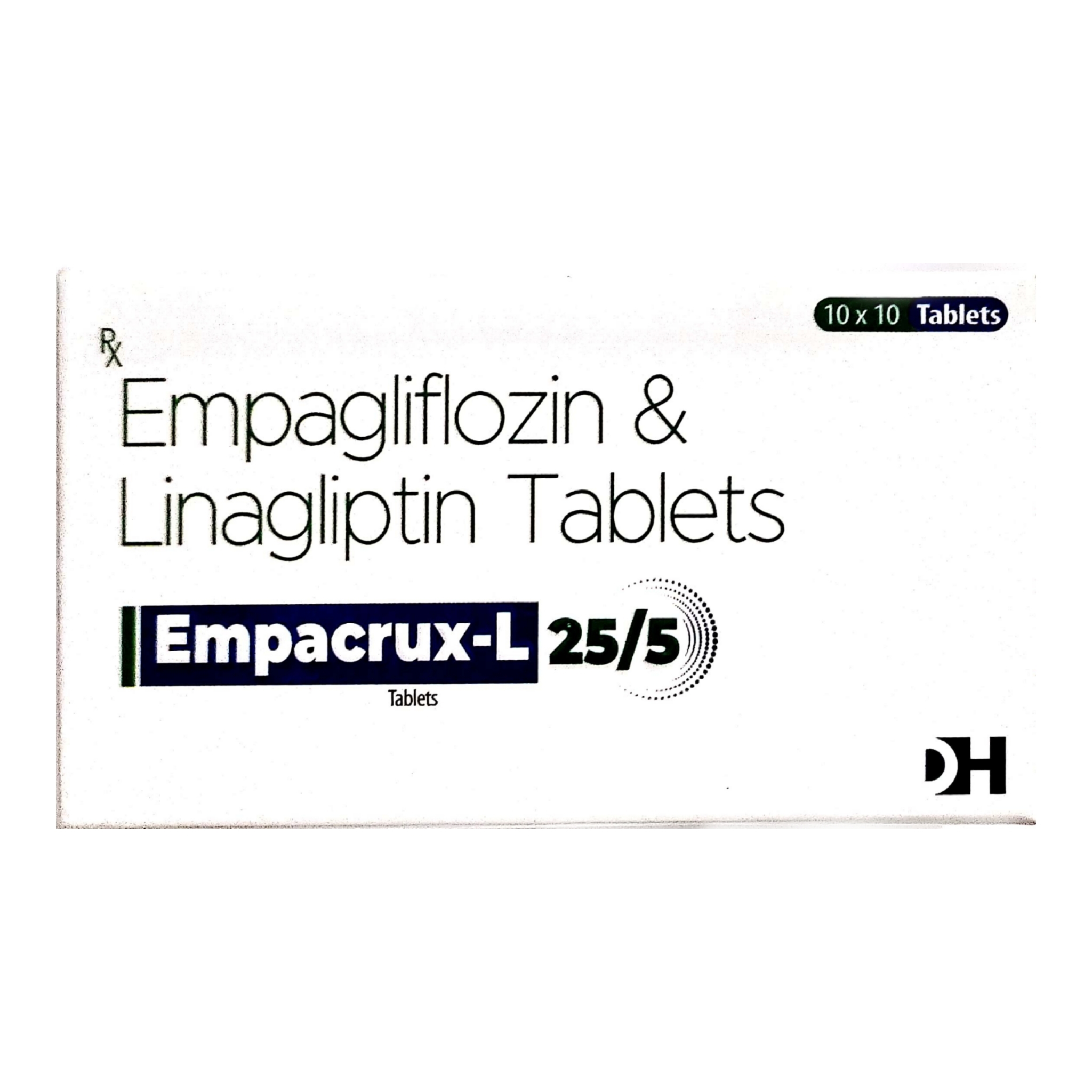
- Empagliflozin (25 mg): A sodium-glucose co-transporter 2 (SGLT2) inhibitor that reduces glucose reabsorption in the kidneys, increasing urinary glucose excretion.
- Linagliptin (5 mg): A dipeptidyl peptidase-4 (DPP-4) inhibitor that lowers glucose production in the liver, delays intestinal glucose absorption, and enhances insulin sensitivity.
How It Works:
- Empagliflozin: Removes excess glucose through urine, reducing blood sugar levels and potentially aiding in weight loss and blood pressure reduction.
- Linagliptin: Increases insulin secretion in response to meals and reduces glucose production, enhancing the body’s ability to utilize insulin effectively.
- The dual-action formula provides comprehensive blood sugar control, often more effective than either drug alone.
Dosage and Administration:
- Typically, one tablet is taken once daily, with or without food, as prescribed by a healthcare provider.
- Should be taken at the same time each day for consistent effects.
- Dosage may vary based on individual needs and medical advice. Do not stop or adjust the dose without consulting a doctor.
Side Effects: Common side effects may include:
- Urinary tract infections (UTIs)
- Genital fungal infections (e.g., vaginal yeast infections, balanitis)
- Increased urination
- Dehydration (due to fluid loss)
- Nasopharyngitis (common cold-like symptoms)
- Hypoglycemia (low blood sugar, especially when combined with other diabetes medications like insulin or sulfonylureas)
- Rarely, acute kidney injury or severe allergic reactions.
Precautions:
- Contraindications: Not suitable for patients with Type 1 diabetes, diabetic ketoacidosis, severe kidney disease, or hypersensitivity to Empagliflozin or Linagliptin.
- Hydration: Maintain adequate fluid intake to prevent dehydration.
- Kidney Function: Regular monitoring is recommended, as Empagliflozin may affect kidney function.
- Pregnancy and Breastfeeding: May be unsafe; consult a doctor before use, as animal studies suggest potential risks to the fetus, and the drug may pass into breast milk.
- Alcohol: Avoid excessive alcohol consumption, as it may increase the risk of side effects like low blood sugar or dehydration.
- Driving: Caution is advised if blood sugar levels are unstable, as this may impair the ability to drive or operate machinery.
- Hygiene: Practice good genital hygiene to reduce the risk of infections.
Storage:
- Store below 30°C in a dry place, away from heat, moisture, and direct sunlight.
- Keep out of reach of children and pets.


 Prescription Required
 Free Shipping
 Delivery within 1 or 2 days